
Wollmatten has become more popular in recent years as people look for natural and eco-friendly materials for their homes. From flooring to insulation, there is a clear shift toward healthier and sustainable options, and it is part of this trend.
It is more than just simple mats—they are made from natural wool and used for insulation, decoration, and even gardening. They are safe, sustainable, and widely used in modern construction and interior design.
Wool has been used for centuries, but today it is designed in advanced forms that help with insulation, noise reduction, moisture control, and overall indoor comfort.
What Are Wollmatten?
It simply refers to wool mats made from natural fibers, primarily sheep wool. These mats are compressed and processed into dense, usable sheets that serve multiple functions depending on their application.
Unlike synthetic mats made from plastic or chemical-based fibers, Wollmatten are fully or mostly natural. This gives them a unique advantage in terms of sustainability and health safety.
Traditionally, wool was used in clothing and blankets, but modern industries have expanded its use into construction insulation, acoustic panels, and eco-friendly design elements. Today, Wollmatten are widely recognized as a sustainable alternative to synthetic insulation materials.
How Wollmatten Are Made
The production of it involves several carefully controlled steps to ensure durability and performance.
First, sheep wool is collected through shearing. Moreover, this is a natural and non-harmful process that does not damage the animal. Once collected, the wool undergoes cleaning to remove dirt, oils, and impurities.
After cleaning, the wool fibers are carded and aligned. This process helps create a uniform texture, making the wool easier to shape and compress.
Moreover, next comes the mat formation stage. The fibers are layered and pressed together using mechanical or thermal bonding techniques. In some cases, natural binding agents are used instead of synthetic chemicals, maintaining the eco-friendly nature of the product.
Finally, the mats are cut into required sizes and sometimes treated for additional resistance against pests or moisture, depending on their intended use.
Key Properties of Wollmatten
Wollmatten are highly valued because of their natural performance characteristics.
Thermal Insulation
Wool naturally traps air within its fibers, creating an insulating layer. This helps keep interiors warm during winter and cool during summer, reducing energy consumption in buildings.
Moisture Regulation
Moreover, one of wool’s most impressive properties is its ability to absorb and release moisture without feeling wet. This helps maintain balanced indoor humidity levels and reduces the risk of mold growth.
Acoustic Performance of Wollmatten
It also absorbs sound effectively. This makes them ideal for homes, offices, and studios where noise reduction is important.
Fire Resistance
Unlike many synthetic materials, wool is naturally flame-resistant. Moreover, it does not easily ignite and can self-extinguish under certain conditions.
Durability and Flexibility
Wool fibers are naturally elastic, meaning they can compress and return to their original shape. This ensures long-lasting performance even in high-use environments.
Types of Wool Used in Wollmatten
Different types of wool are used depending on quality, cost, and purpose.
| Wool Type | Description |
| Merino Wool | Known for its softness and fine texture. It is often used in premium Wollmatten where comfort and performance are priorities. |
| Sheep Wool | The most commonly used type. It offers a good balance of cost, durability, and insulation performance. |
| Alpaca Wool | Luxurious, lightweight, and naturally hypoallergenic. It is often used in high-end applications. |
| Blended Natural Fibers | A mix of wool with other natural fibers to enhance strength, durability, or insulation properties. |
Applications of Wollmatten
It is incredibly versatile and used across multiple industries.
Construction and Building Insulation
Wollmatten are widely used in construction to improve a building’s energy efficiency. They are installed inside walls, roofs, and floors, where they help reduce heat loss in winter and keep interiors cooler in summer. This natural insulation helps lower energy consumption and makes indoor spaces more comfortable throughout the year.
Interior Design
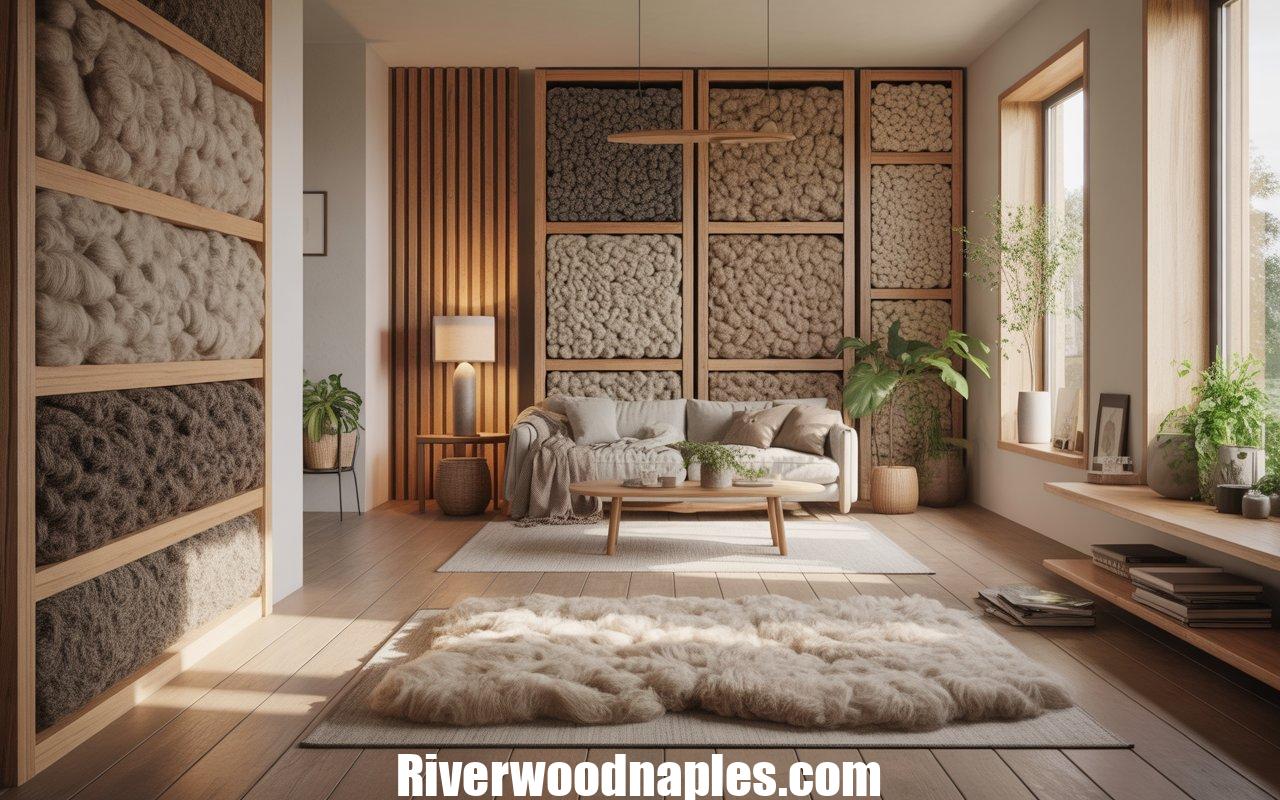
In interior design, they are used as stylish and functional elements such as rugs, wall coverings, or acoustic panels. They not only enhance the visual appeal of a room but also help absorb sound, creating a quieter and more peaceful living environment. Their natural texture adds warmth and elegance to modern spaces.
Gardening and Agriculture
In gardening, they serve multiple eco-friendly purposes. They help protect soil, reduce weed growth, and retain moisture for plants. Over time, these mats naturally break down and enrich the soil with organic nutrients, making them a sustainable choice for gardeners and farmers.
Packaging Industry of Wollmatten
They are also used as a natural alternative in packaging. Their soft and flexible structure makes them ideal for protecting fragile items during transport. Unlike plastic foam, they are biodegradable and environmentally friendly, offering a sustainable solution for safe product packaging.
Wollmatten vs Synthetic Mats
When compared to synthetic insulation materials like fiberglass or foam, they offers several advantages.
Synthetic materials are often cheaper and widely available, but they may contain chemicals and contribute to environmental pollution.
They, on the other hand, are natural, biodegradable, and safer to handle. They do not release harmful particles into the air and offer better humidity control.
While the initial cost may be higher, their long-term benefits often outweigh the price difference.
Benefits of Wollmatten
They offer a wide range of benefits that make them increasingly popular:
- Eco-friendly and biodegradable
- Excellent thermal insulation
- Natural sound absorption
- Safe and non-toxic
- Long-lasting durability
- Moisture-balancing properties
- Energy efficiency in buildings
These combined benefits make them suitable for both residential and commercial use.
Limitations
Despite their advantages, Wollmatten also has a few limitations:
- Higher initial cost compared to synthetic options
- Limited availability in some regions
- May require treatment for pest resistance
- Not ideal for extremely wet environments
However, proper installation and maintenance can minimize most of these issues.
Installation Process of Wollmatten
Installing it is considered a fairly straightforward process, especially compared to many synthetic insulation materials. Their natural flexibility and easy handling make them suitable for both professional builders and DIY home projects.
Easy Cutting and Preparation
One of the biggest advantages of Wollmatten is that they can be easily cut using standard tools such as utility knives or scissors. Before installation, the mats are measured according to the required space and then trimmed to fit perfectly. Moreover, this flexibility allows installers to adapt them to different shapes and sizes without wasting material.
Installation in Construction Structures
In building construction, they are commonly placed inside walls, roofs, and floors as insulation layers. They are fitted between structural frames such as wooden beams or metal studs. Once installed, they create a protective barrier that helps control temperature, reduce heat loss, and improve overall energy efficiency in the building.
Wollmatten Use in Interior Applications
Beyond construction, they are also used in interior design. They can be installed as decorative wall panels or underfloor padding to enhance comfort. In some cases, they are used behind wall coverings or ceilings to improve sound insulation, making rooms quieter and more comfortable. Their natural texture also adds a warm, organic aesthetic to interior spaces.
Professional vs DIY Installation
Moreover, the installation process can be handled by professionals or even DIY users, depending on the complexity of the project. Large-scale construction projects usually require skilled installers to ensure proper fitting and insulation performance. However, for smaller home improvement tasks, DIY installation is often possible due to the simple handling and lightweight nature.
Care and Maintenance of Wollmatten
They require minimal maintenance. Regular vacuuming helps keep them clean. Spills should be cleaned immediately to prevent staining.
It is also important to avoid prolonged exposure to direct sunlight, as this may cause fading over time.
In most cases, Wollmatten do not require frequent replacement and can last for many years when properly maintained.
Environmental Impact
Moreover, one of the biggest advantages of them is their environmental friendliness.
Wool is a renewable resource, as sheep naturally regrow their fleece. The production process requires relatively low energy compared to synthetic materials.
At the end of their life cycle, Wollmatten are biodegradable, meaning they return safely to the environment without causing pollution.
This makes them an important material in sustainable construction and green building practices.
Where to Use Wollmatten in Your Home
They can be used in various areas of a home:
- Living rooms for insulation and comfort
- Bedrooms for temperature regulation
- Offices for sound reduction
- Floors and ceilings for energy efficiency
Their versatility makes them suitable for almost any indoor environment.
Buying Guide: How to Choose the Right Woll
When selecting Wollmatten, consider the following factors:
- Thickness and density
- Type of wool used
- Intended application
- Budget
- Certification and eco-standards
Choosing the right product ensures better performance and long-term satisfaction.
The Future Vision
As sustainability becomes more important globally, the demand for natural materials like they is expected to grow.
Innovations in wool processing are also improving their performance, making them more competitive with synthetic alternatives.
In the future, Wollmatten may become a standard material in eco-friendly architecture and green building design.
Conclusion
They represent a perfect blend of nature, comfort, and functionality. They offer a sustainable alternative to synthetic materials while providing excellent insulation, sound absorption, and durability.
Whether used in homes, buildings, or gardens, they bring a sense of natural comfort that modern materials often lack.
As more people move toward eco-conscious living, Wollmatten is likely to become an essential part of sustainable design and construction.
They are not just mats—they are a step toward a greener future.