

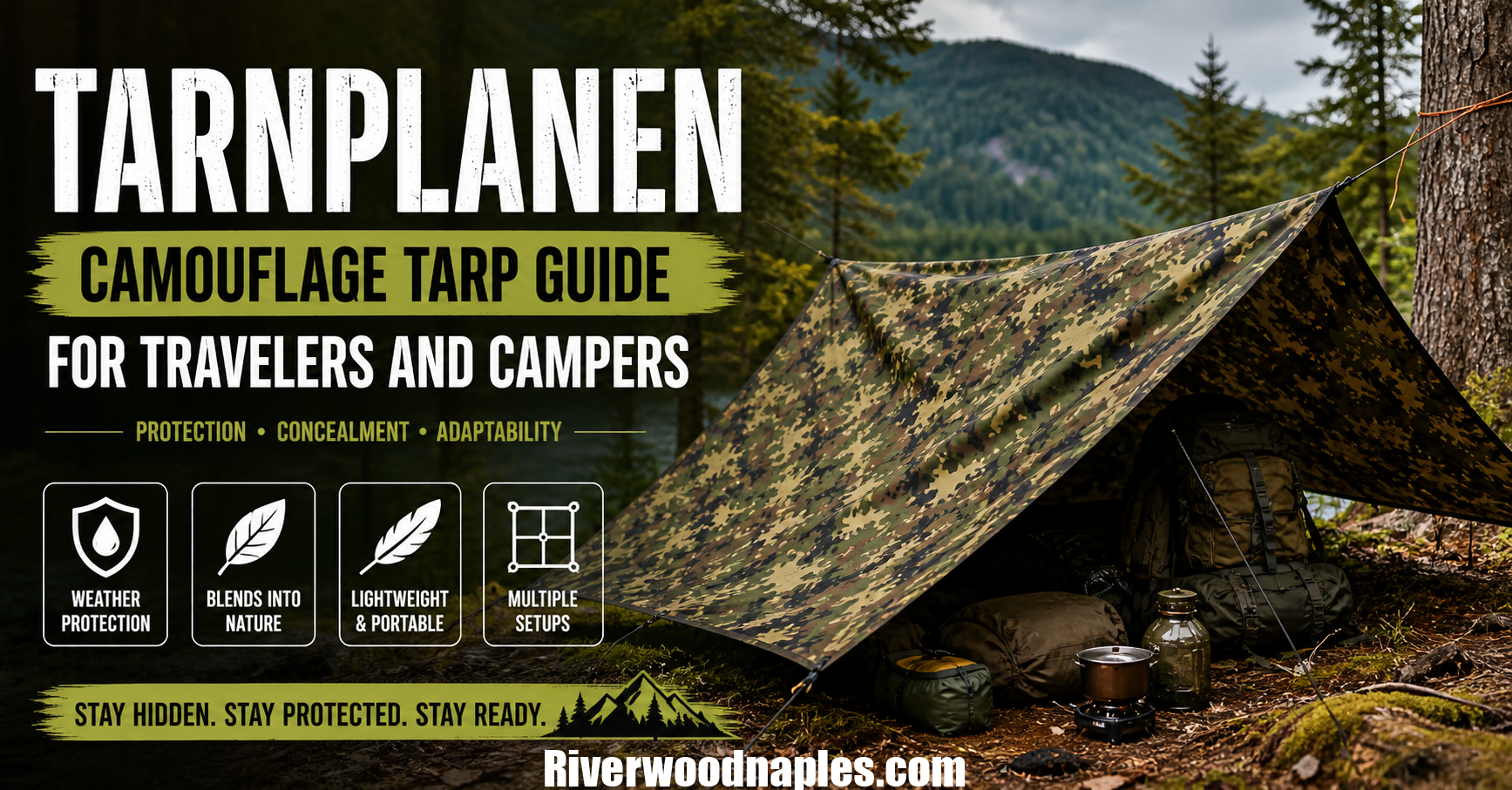
Tarnplanen are among the most essential yet underrated tools in outdoor travel, survival, camping, and tactical operations. At first glance, they may look like simple camouflage sheets draped over trees or gear. But in reality, they are highly engineered outdoor tools designed to provide protection, concealment, and adaptability in some of the harshest environments on earth.
Whether you are hiking through dense forests, photographing wildlife, setting up a campsite in unpredictable weather, or preparing for survival scenarios, Tarnplanen can dramatically improve your safety and comfort. They are not just accessories—they are multipurpose survival systems that help you control your immediate outdoor environment.
What Is Tarnplanen?
The word comes from German:
- “Tarn” meaning camouflage or concealment
- “Planen” meaning tarpaulins or protective covers
Combined, the term refers to camouflage tarps designed to blend into natural or urban environments while providing physical protection.
Originally associated with military use, Tarnplanen were developed to hide equipment, vehicles, and personnel from visual detection. Over time, their use expanded into civilian outdoor activities such as camping, hiking, hunting, and photography.
Simple Definition
A Tarnplane is a durable, weather-resistant camouflage sheet used to:
- Provide shelter
- Protect gear from the weather
- Conceal objects or people
- Create temporary outdoor structures
Unlike standard tarps, they are specifically designed to blend into surroundings rather than stand out.
Modern-Day Use of Tarnplanen
Today, they are widely used in:
- Camping and trekking
- Wildlife photography
- Bushcraft and survival training
- Overlanding and road travel
- Outdoor work environments
- Emergency preparedness situations
Their role has evolved from military concealment to everyday outdoor utility.
Why Tarnplanen Are Important in Outdoor Life
Outdoor environments are unpredictable. Weather changes quickly, terrain is uneven, and exposure can create both physical and psychological stress. It helps solve these challenges by offering a flexible protective system.
Protection from Weather
Rain, wind, sun, and snow can all affect outdoor experiences. It acts as a barrier against these elements, allowing travelers to create safe, dry zones instantly.
Concealment and Privacy
In forests or open landscapes, visibility matters. Tarnplanen help hide equipment, campsites, and movement, which is especially useful for wildlife observation or privacy in crowded outdoor areas.
Shelter Creation
With minimal effort, it can be transformed into:
- Rain shelters
- Windbreaks
- Sleeping covers
- Cooking stations
Mental Comfort
Being able to control your environment outdoors reduces stress and increases confidence during travel or survival situations.
Key Features of Tarnplanen
Camouflage Design
One of the defining features is their visual patterning. It comes in several camouflage styles:
- Woodland (green/brown forest environments)
- Desert (sand and earth tones)
- Snow (white and grey winter environments)
- Digital camo (pixelated tactical patterns)
These patterns allow the tarp to visually merge with its surroundings.
Material Construction
Most Tarnplanen are made from advanced synthetic fabrics:
- Ripstop polyester: lightweight and tear-resistant
- Nylon: flexible and strong
- Canvas (less common): heavy-duty and breathable
These materials ensure durability under repeated outdoor use.
Weather Resistance
They are engineered to handle extreme conditions:
- Waterproof coatings (PU or PVC layers)
- UV resistance to prevent sun damage
- Wind resistance for stability in storms
Structural Reinforcement of Tarnplanen
Key structural features include:
- Reinforced edges
- Metal grommets (eyelets)
- Stitch-reinforced corners
- Load-bearing tie-out points
These allow multiple setup configurations.
Types of Tarnplanen
| Type | Description |
| Woodland | Designed for forests, jungles, and green environments. Most commonly used by campers and wildlife observers. |
| Desert | Made for dry, sandy, and rocky terrains. Light-colored for heat reflection. |
| Snow | Optimized for alpine and winter environments. Reflective camouflage for snowy landscapes. |
| Digital Camouflage | Modern tactical design used in military-inspired setups and advanced outdoor gear. |
7 Key Differences Between Tarnplanen and Regular Tarps
Camouflage vs Standard Colors
Regular tarps usually come in plain colors like blue, green, or gray, which are easy to spot in natural environments. It uses camouflage patterns designed to blend into forests, deserts, or snowy areas. This makes them much better for staying hidden while camping, hunting, or doing wildlife photography.
Noise Reduction
Tarnplanen are often made from softer, more flexible fabrics that produce less noise when wind moves across them. Regular tarps can flap loudly, which may disturb wildlife or ruin a quiet campsite. This quieter performance makes it ideal for stealth camping and nature observation.
Durability
Most use ripstop fabric, a special weaving technique that prevents small tears from spreading further. This means even if the tarp gets a minor cut or damage, it won’t easily rip apart. As a result, they last longer and perform better in rough outdoor conditions compared to standard tarps.
Weather Protection of Tarnplanen
They are built with strong waterproof coatings that protect against heavy rain and moisture. They also include UV-resistant layers that reduce sun damage over time. This makes them more reliable than basic tarps, especially in harsh or changing weather conditions.
Weight and Portability
Even though they are strong and durable, many are designed to stay lightweight. They can be folded into compact sizes, making them easy to carry in backpacks. This balance of strength and portability makes them ideal for hikers and long-distance travelers.
Real-World Uses of Tarnplanen
Camping and Outdoor Travel
They create instant shelters, protect sleeping areas, and cover cooking zones.
Wildlife Photography
Photographers use Tarnplanen to hide themselves and avoid disturbing animals.
Hiking and Backpacking
They provide emergency shelter in unpredictable conditions.
Overlanding and Vehicle Protection
Used to cover vehicles, bikes, and gear from weather and attention.
Survival and Bushcraft
Essential for building temporary shelters in wilderness survival situations.
How Tarnplanen Works in Outdoor Environments
Its function by combining three key effects:
- Visual blending into surroundings
- Physical protection from weather elements
- Environmental control by creating micro-shelters
Together, these allow users to transform open environments into manageable living spaces.
How to Choose the Right Tarnplane
Size Selection
- Small (solo travel)
- Medium (couples or gear cover)
- Large (group or vehicle use)
Material Selection in Tarnplanen
- Lightweight nylon for hiking
- Polyester for general camping
- Heavy-duty canvas for extreme conditions
Pattern Selection
- Match terrain: forest, desert, snow, or mixed environments
Durability Factors
- Denier rating (higher = stronger fabric)
- Stitching quality
- Reinforced grommets
How to Use Tarnplanen Properly
Basic Shelter Setup
Common structures include:
- A-frame shelter
- Lean-to shelter
- Flat rain cover
Gear Protection
Cover backpacks, electronics, and camping gear to protect from rain and dust.
Weather Protection Setup
- Angle tarp for water runoff
- Secure all corners tightly
- Avoid slack areas that collect rain
Common Mistakes to Avoid
When using Tarnplanen, people often make a few common mistakes that reduce their effectiveness in the field. One major error is choosing the wrong camouflage pattern, which prevents the tarp from blending properly with the surrounding environment. Another frequent issue is poor anchoring in windy conditions, causing the tarp to flap, shift, or even collapse during use.
Many users also forget to cover or hide reflective gear, which can easily reveal their position or campsite. Lastly, ignoring terrain layout and wind direction can lead to unstable setups and poor weather protection, making the tarp far less useful than it should be.
Maintenance and Care
To extend lifespan:
- Clean with mild soap
- Air dry before storage
- Avoid folding when wet
- Store in dry bags
- Prevent long UV exposure
Proper maintenance significantly increases durability.
Safety Considerations & Buying Guide for Tarnplanen
When using it, it is important to understand both safety practices and how to choose the right type, because proper use improves performance while reducing risks in outdoor environments.
Safety Considerations
Using Tarnplanen in nature requires awareness, especially because camouflage and outdoor setups can sometimes create hidden risks.
- Visibility in emergencies:
Camouflage can make you harder to spot. Always keep a bright-colored item or signaling device nearby (like a flag, cloth, or reflector) so rescuers can locate you quickly if needed. - Fire safety:
Never place too close to campfires, stoves, or open flames. The material can get damaged or even catch fire if exposed to heat. - Wildlife awareness:
Avoid blocking animal paths or disturbing natural movement areas. Setting up responsibly helps protect both wildlife and your safety.
In short: Tarnplanen are useful, but they should always be used with awareness of visibility, fire risk, and nature respect.
Buying Guide
Choosing the right Tarnplane depends on how often you travel and the type of environment you use it in.
- Budget models:
Suitable for occasional campers or light outdoor use. They offer basic protection but may not last in extreme conditions. - Mid-range models:
Provide a balanced mix of durability, waterproofing, and portability. Ideal for regular hikers, campers, and travelers. - Premium models:
Designed for harsh weather, long expeditions, and survival situations. These offer strong materials, better coatings, and long-lasting performance.
In simple terms:
Choose based on your usage frequency + environment type—light use needs basic models, while serious outdoor travel needs stronger, premium.
Advantages of Tarnplanen Over Regular Tarps
It offers:
- Better concealment
- Higher durability
- Multi-environment adaptability
- Greater setup flexibility
- Longer lifespan
Future Applications
Tarnplanen are now used in:
- Disaster relief shelters
- Film and photography production
- Tactical training environments
- Emergency outdoor housing systems
Their design continues to evolve with modern outdoor needs.
Conclusion
They are far more than simple camouflage tarps. They represent a highly adaptable outdoor tool that combines protection, concealment, and durability in one system.
From forests to deserts, from photography to survival situations, Tarnplanen helps people control their environment and stay safe in unpredictable conditions. When chosen and used correctly, they become one of the most valuable tools in any outdoor setup.
Their strength lies not just in material or design, but in their ability to transform open nature into a manageable, protected space.