

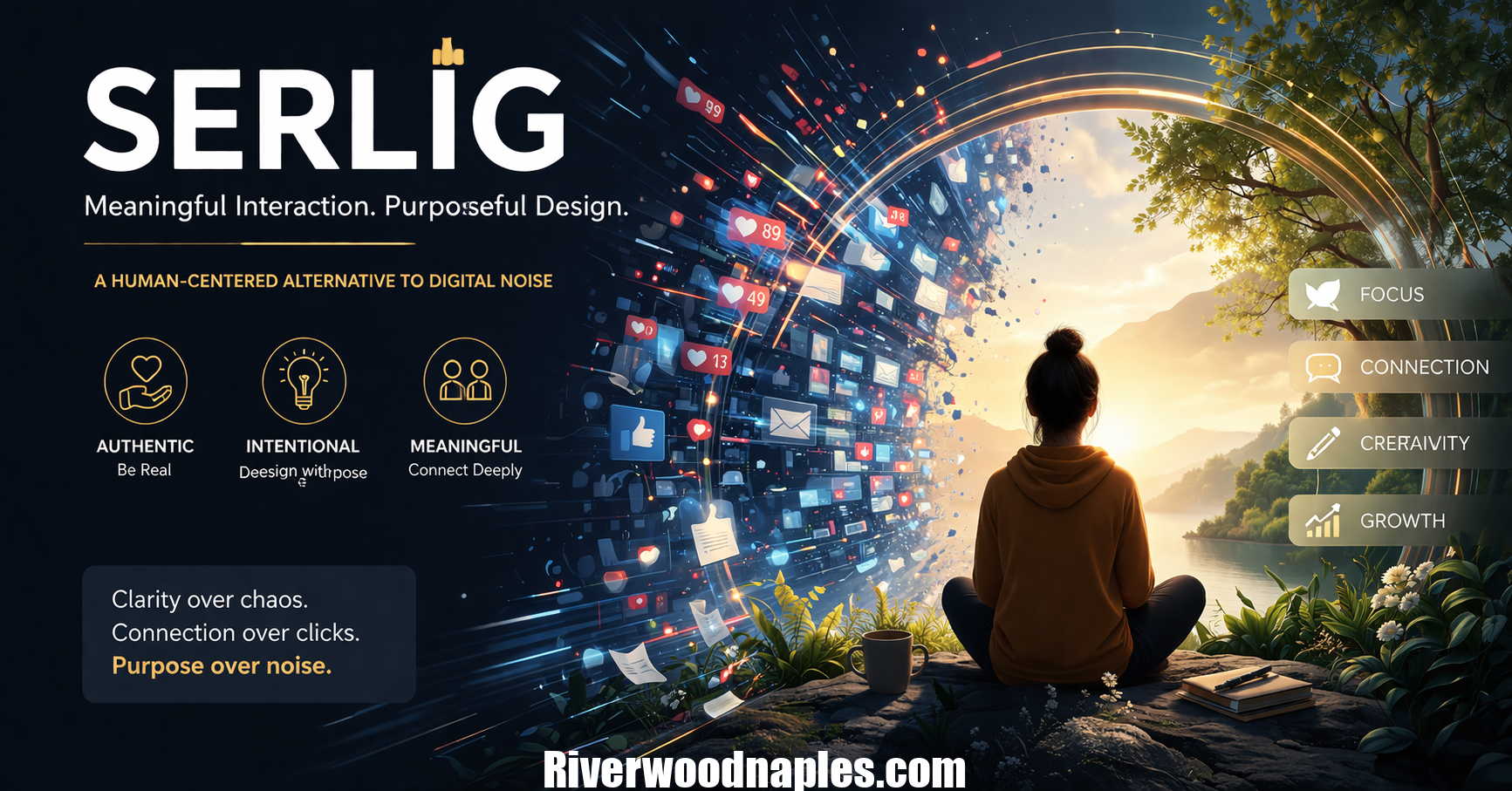
Serlig emerges in a world where digital noise constantly competes for our attention, making it harder than ever to find clarity, meaning, and genuine connection. People scroll through endless feeds propelled by algorithms that prioritize speed and volume over depth and thoughtfulness. While this chaotic pace fosters virality and fleeting interactions, it disconnects us from what truly matters — intentional communication, authentic expression, and purposeful engagement. In response to this shift, it offers a new paradigm: a blend of meaningful interaction and purposeful design that promises a human-centered alternative to algorithm-driven noise.
It is more than a word; it is a philosophy, a mindset, and an approach to both digital experiences and everyday life. It encourages individuals, creators, and organizations to prioritize clarity, authenticity, and intentional structure over complexity, trend-chasing, and superficial performance.
What Is Serlig? A Clear Definition
At its core, it refers to intentional design, authentic interaction, and structured simplicity. It is not merely a tool or software; rather, it embodies a way of thinking and behaving that values purpose and clarity above noise and distraction. When people ask “what does Serlig mean?” the answer cannot be captured in a rigid dictionary definition. Instead, it must be understood through context — how it is used, why it is chosen, and the meaning it creates in action.
It represents a mindset that asks three core questions:
- Does this interaction serve a clear purpose?
- Is this expression authentic and honest?
- Does this structure reduce complexity while preserving depth?
By emphasizing these three elements — purpose, authenticity, and clarity — Serlig provides a coherent framework for decisions in both digital systems and everyday living. It insists that meaning is not produced through volume or speed, but through intentional design and thoughtful engagement.
Origins and Linguistic Roots of Serlig
Understanding it begins with its linguistic history. The term has roots in North Germanic languages, where related words historically meant “distinct,” “special,” or “particular.” Over time, the meaning evolved beyond simple rarity or exceptionality into a broader, more nuanced interpretation. Today, Serlig goes beyond describing something unique — it conveys something intentional, meaningful, and deeply resonant.
While the term does not yet appear in traditional dictionaries as a fixed entry, it has gained recognition in modern writing and digital discourse as a flexible way to express depth and purpose. Its linguistic journey reflects how language adapts to new cultural needs — shifting from describing “specialness” in a narrow sense to expressing intentional design, thoughtful interaction, and emotional resonance.
Core Concepts Behind Serlig
To fully understand it, we must explore its foundational principles — the ideas that make it more than a buzzword or trend.
Intentional Structure
It asserts that everything should exist for a purpose. Whether a digital interface, a conversation, or a daily routine, each element should contribute to clarity and meaning. Intentional structure rejects random complexity or needless features; instead, it prioritizes purposeful simplicity. In Serlig systems, nothing exists without a reason.
Authentic Expression
In a world driven by performance metrics, the value of honesty and authenticity cannot be overstated. It emphasizes real expression over curated personas, encouraging communication that reflects genuine thought and feeling. Authenticity builds trust, and trust fosters deeper connections.
Clarity Over Complexity
Complexity for its own sake leads to confusion and overload. It values clarity — structures that are simple, not at the expense of depth, but as a means of delivering deeper meaning without unnecessary noise. This principle highlights the importance of reducing cognitive load while preserving rich experience.
Quiet Uniqueness of Serlig
It is subtly distinct rather than bold or attention-seeking. Rather than grabbing attention through loudness, it shines through thoughtful presence, distinguished by meaningful interactions and well‑designed systems. This quiet uniqueness becomes powerful precisely because it avoids noise.
Context-Based Meaning
Unlike rigid definitions, Serlig adapts based on context, feeling, and intention. Its meaning shifts depending on the situation, allowing it to express emotional depth in conversation, structural clarity in design, and intentional behavior in daily actions.
Together, these principles make it a more holistic and adaptable framework than tools that focus solely on productivity, output, speed, or efficiency.
Key Features of Serlig
It extends beyond ideology into practical features that influence how systems, communities, and individuals function.
Human-Centered Design
It prioritizes human experience over metrics, traffic, or algorithmic preferences. Systems built on Serlig principles are intuitive, welcoming, and oriented toward real people rather than abstract data points.
Modularity
In frameworks, components are designed to be independent yet interconnected. Modularity allows flexibility and adaptability without sacrificing coherence.
Integration of Serlig
Rather than fragmented tools or isolated features, it encourages platforms and systems that integrate workflows seamlessly. Integration supports smoother experiences and reduces friction.
Simplicity
Simple interfaces and clear logic reduce cognitive strain and enable users to focus on what truly matters. Simplicity, in this context, is not minimalism without meaning — it is meaningful reduction.
Adaptability
It works across domains — from personal productivity to business systems and digital platforms. Its adaptability makes it suitable for a variety of needs, whether individual or organizational.
How Serlig Works in Practice
It is not abstract; it can be applied in daily life, digital environments, and professional systems.
Daily Life and Personal Habits
It offers a structured approach to everyday routines. For example, a Serlig practice might begin each day with clear priorities and end with reflection on outcomes. This simple cycle reduces decision fatigue and mental clutter. By focusing on intentional actions rather than reactivity, individuals gain clarity, reduce stress, and build healthier habits.
Serlig in Digital Life
Online spaces are often cluttered with distracting feeds and algorithmic prompts. It counters this by encouraging users to engage with content deliberately — reading with intention, responding thoughtfully, and participating in discussions that enrich rather than overwhelm. In this context, it becomes a digital philosophy that shapes how we interact online.
Professional and Business Environments
In workplaces, these principles improve communication, reduce redundancy, and streamline collaboration. Clear structures and intentional processes make teams more productive and less reactive. By emphasizing purpose and clarity, organizations can reduce misunderstandings and promote efficiency.
Serlig as a Digital Platform Style
Although it is a philosophy, it also influences how digital platforms can be designed.
Instead of fragmented systems or algorithmic feeds that promote surface interactions, a style platform fosters community, meaningful engagement, and thoughtful content creation. In such environments:
- Creators are encouraged to publish content that invites interaction, not distraction.
- Users engage intentionally, adding value to conversations.
- Communities grow through respectful discussion rather than popularity contests.
- Monetization supports creators without compromising authenticity.
Its platforms reject reliance on algorithmic amplification. Instead, they build spaces where people are drawn by clarity and value, not endless scrolling.
Serlig as a Philosophy of Intentional Living
Beyond technology, it functions as a way of life — a mindset that can transform how individuals approach meaning, purpose, and connection.
Rather than pursuing trends or chasing external validation, Serlig encourages living with intention. This means:
- Being mindful of how time and energy are spent.
- Seeking depth over breadth in relationships and goals.
- Valuing honest expression over performative personas.
By integrating its principles into life, individuals cultivate deeper awareness and a more intentional presence — both online and offline.
Serlig in Everyday Application
It can be applied in various aspects of life:
Personal Productivity
Instead of overwhelming to-do lists, it encourages clear goal setting and focused execution. Tasks are chosen based on meaning, not urgency or pressure.
Mental Health
Clarity and intentional structure reduce cognitive overload. A Serlig mindset creates calm through purposeful organization and mindful behavior.
Serlig for Habit Building
Consistent reflection and direction foster lasting habits. It routines emphasize reflection over autopilot behavior, making habit formation more meaningful.
Financial Decision-Making
Rather than reactive choices, it encourages thoughtful planning grounded in purpose. This leads to better long-term control and less stress.
Benefits of Serlig
Its practical value is evident in many ways:
- Reduced Stress: Clear routines and intentional goals reduce overwhelm.
- Increased Clarity: Simplicity and focus eliminate confusion.
- Stronger Connections: Authentic interactions foster deeper relationships.
- Greater Consistency: Intentional practice builds trust and reliability.
- Long-Term Growth: Purposeful systems support scalability and resilience.
Whether applied individually or organizationally, Serlig offers benefits that extend beyond productivity to well-being and fulfillment.
For Creators
For content creators, it offers a framework that balances creative freedom, audience engagement, and long-term sustainability.
With Serlig principles:
- Creators produce content with intention rather than noise.
- Audiences engage more meaningfully.
- Monetization becomes aligned with values, not exploitation.
- Creative control remains in the hands of the creator.
These advantages help creators build authentic connections and avoid burnout caused by performative expectations.
Serlig for Businesses and Teams
In team environments, it reduces friction and enhances collaboration:
- Clear systems improve task coordination.
- Intentional communication reduces misunderstandings.
- Consistent structures allow teams to scale without chaos.
- Decision-making becomes grounded in purpose rather than urgency.
Serlig provides a framework for collaboration that values clarity and stability, enabling organizations to be more agile without sacrificing depth.
Technology and Innovation
Its principles extend into modern technological design:
- Modularity: Allows flexible, scalable architectures.
- Human-Driven AI: Enhances efficiency while preserving human intent.
- User Experience Focus: Prioritizes clarity and meaning over novelty or distraction.
- Sustainable Design: Emphasizes long-term performance and user value.
In technology, it offers an alternative to fast-paced feature arms races, advocating for user-centered innovation.
Comparing Serlig to Similar Concepts
While it shares commonalities with other frameworks, key differences set it apart:
- Authenticity: Unlike general authenticity, Serlig adds intentional depth.
- Minimalism: Goes beyond surface reduction to emphasize emotional meaning.
- Uniqueness: Focuses on thoughtful distinction rather than being different for the sake of it.
- Creativity: Prioritizes clarity alongside expressive power.
These differences make it a balanced and holistic framework for modern life.
Common Misconceptions About Serlig
Some misunderstand Serlig:
- Believing it is merely a buzzword.
- Assuming it applies only to technology.
- Thinking it is too abstract to be practical.
In reality, it is both practical and adaptable — not limited by domain or discipline. Its principles are easy to implement and yield measurable benefits.
The Future Vision
Looking ahead, it is poised to grow in relevance:
- AI Personalization will enhance its experiences without sacrificing clarity.
- Burnout Prevention Tools will support mindful engagement.
- Human-Centered Technologies will align with Serlig principles.
- Decentralized Platforms will empower intentional communities.
As digital culture evolves, it may define a new standard for meaningful interaction and thoughtful design.
Conclusion:
It represents a better approach to design, communication, and living intentionally. In an age of complexity, distraction, and shallow interactions, it offers clarity, authenticity, and purpose. It combines meaningful structure with thoughtful expression, making it an invaluable framework for individuals, creators, and organizations alike.
By adopting Serlig principles, we can move beyond noise and superficial performance toward deeper understanding, intentional action, and lasting fulfillment. In the end, it reminds us that true meaning thrives in quiet, honest, and purposeful expression — both online and in everyday life.