

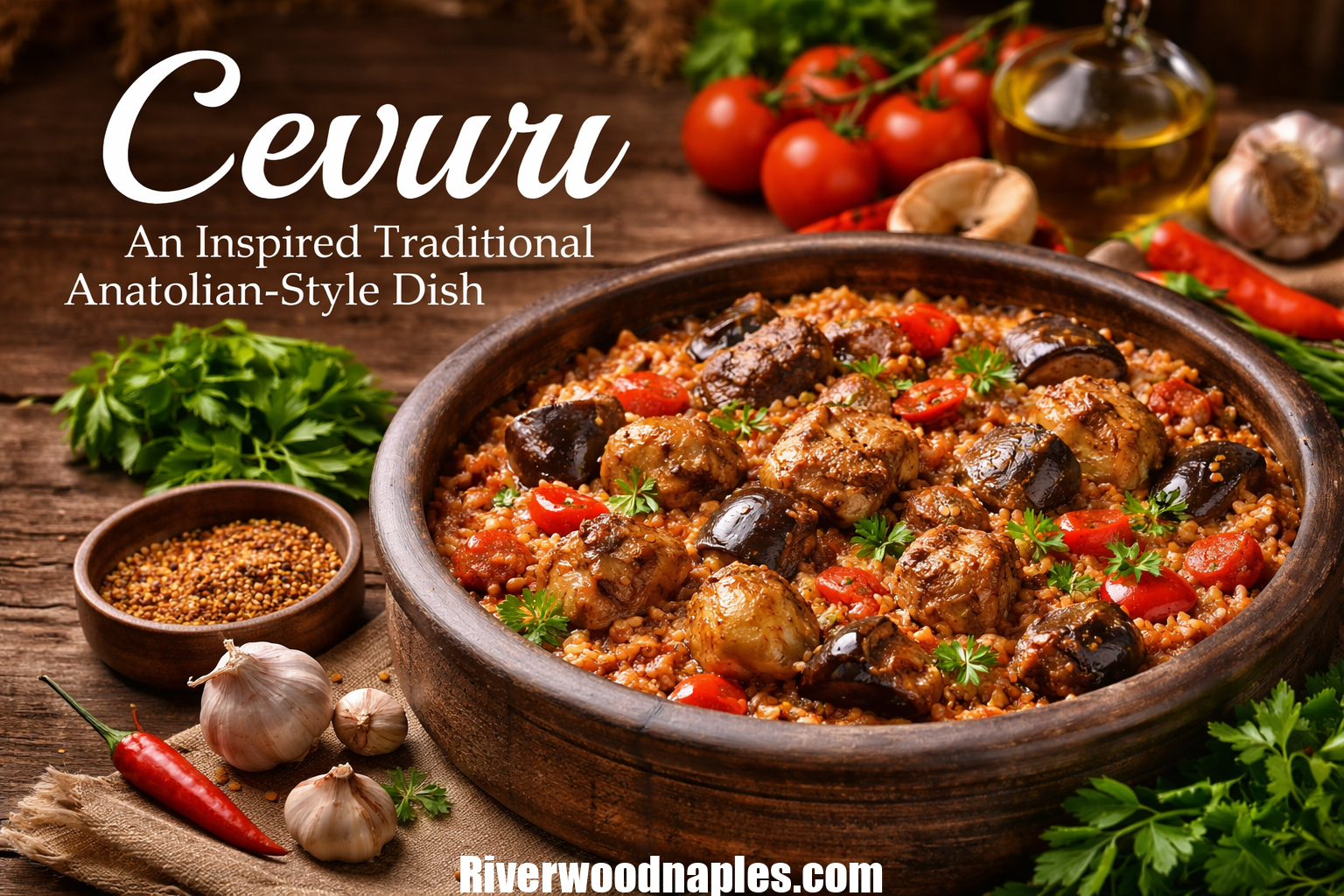
Cevurı is one of the strongest reflections of culture, history, and daily life. Across the world, traditional cooking methods have shaped not only what people eat but also how they connect. In this context, cevurı is often described as an inspired traditional Anatolian-style dish that represents the essence of slow-cooked, family-centered meals.
While it is not a formally documented historical recipe in classical culinary records, it symbolizes the type of food deeply rooted in rural Anatolian life. It brings together simple ingredients such as meat, vegetables, grains, and spices, transforming them into a rich, comforting dish through slow cooking.
In modern discussions, it is gaining attention as part of a broader interest in traditional-inspired foods, where simplicity, nutrition, and cultural identity play a central role. This article explores cevurı in detail—its inspiration, ingredients, preparation methods, variations, and cultural significance.
What Is Cevurı?
It is best understood as a slow-cooked mixed-ingredient dish inspired by Anatolian culinary traditions. It combines multiple food groups into a single, hearty meal that is both nourishing and filling.
At its core, it includes:
- Meat (commonly lamb or chicken)
- Fresh vegetables
- Grains such as rice or bulgur
- Aromatic spices
The dish is prepared using slow simmering techniques, allowing all ingredients to blend naturally. This results in a deep, layered flavor profile that reflects traditional home cooking.
Unlike fast or processed meals, cevurı emphasizes:
- Patience in cooking
- Balance of nutrients
- Shared family dining experiences
It is often serve in large portions, making it ideal for communal meals.
Cultural Inspiration Behind Cevurı
The culinary inspiration for cevurı comes from rural cooking traditions in Anatolia, where food was shape by geography, agriculture, and community life.
In traditional Anatolian households:
- Ingredients were locally source
- Meals were prepare seasonally
- Cooking was done in large pots for families
People relied heavily on what they could grow or raise themselves. This meant dishes were built around simple but nutritious ingredients like grains, vegetables, and meat.
It reflects this philosophy of cooking. It represents a time when food was not just about taste but also about survival, sharing, and cultural identity. Families would gather around meals prepared slowly over a fire, often in clay pots, allowing flavors to develop naturally over time.
Key Ingredients of Cevurı
It is define by its balance of protein, vegetables, grains, and spices. Each component plays an essential role in building flavor and nutrition.
Meat Selection
Meat provides richness and depth to cevurı.
Common choices include:
- Lamb: Traditional, rich, and deeply flavorful
- Chicken: Lighter, more widely used modern option
In some variations, legumes may replace meat, making the dish vegetarian-friendly.
Vegetables
Vegetables are essential for both flavor and nutrition. Common ingredients include:
- Eggplant
- Tomatoes
- Onions
- Peppers
- Garlic
These vegetables contribute:
- Natural sweetness
- Acidity
- Aroma
- Texture
They also help create a balanced nutritional profile.
Grains
From the foundation of cevurı.
- Bulgur: Traditional grain with high fiber and nutty flavor
- Rice: Modern alternative with softer texture
Grains absorb the juices from meat and vegetables, becoming rich in flavor.
Spices and Herbs
Cevurı does not rely on heavy seasoning. Instead, it uses simple spices that enhance natural flavors:
- Black pepper
- Paprika
- Cumin
- Salt
- Fresh parsley (optional garnish)
The goal is harmony, not overpowering taste.
Traditional Cooking Method of Cevurı
The defining feature of cevurı is its slow cooking process, which allows ingredients to blend over time.
| Step | Process | Description |
| Step 1: Ingredient Preparation | Preparing raw ingredients | Grains are washed or soaked, vegetables are chopped fresh, and meat is cleaned and cut into pieces. |
| Step 2: Building the Flavor Base | Creating aroma foundation | Onions and garlic are sautéed in oil until aromatic, forming the base flavor of the dish. |
| Step 3: Adding Vegetables | Cooking vegetables | Tomatoes, peppers, and eggplants are added and cooked until softened, releasing natural juices that enhance flavor. |
| Step 4: Adding Meat | Cooking protein | If included, meat is added and slowly cooked until tender and fully infused with flavor. |
| Step 5: Adding Grains | Mixing grains | Rice or bulgur is added along with water or broth to absorb flavors during cooking. |
| Step 6: Slow Simmering | Final cooking stage | The dish is cooked on low heat for an extended time, allowing flavors to merge, grains to absorb liquid, and texture to become thick and rich. |
Cooking Tools and Traditional Techniques for Cevurı
Historically, dishes similar to cevurı were prepared using traditional tools:
- Clay pots for even heat distribution
- Wood-fired stoves for smoky flavor
- Heavy iron pots for slow simmering
In modern kitchens, these are replaced with:
- Pressure cookers
- Slow cookers
- Heavy-bottom pans
Despite modern tools, the principle remains the same: slow cooking for deep flavor development.
Nutritional Value of Cevurı
Cevurı is considered a balanced and complete meal because it includes all major nutrients.
Protein
- From meat or legumes
- Supports muscle growth and repair
Carbohydrates in Cevurı
- From grains like rice or bulgur
- Provide energy
Vitamins and Minerals
- From vegetables
- Support immune system and overall health
Healthy Fats
- From cooking oils
- Help with nutrient absorption
Because it uses whole foods, it aligns with modern healthy eating principles.
Variations of Cevurı
Like many traditional-inspired dishes, cevurı has multiple variations depending on preference and region.
1. Spicy Version
- Includes chili peppers
- Stronger flavor profile
2. Mild Family Version
- Less spice
- Suitable for children
3. Vegetarian Version
- Replaces meat with legumes
- Still rich in protein and fiber
4. Creamy Version
- Includes yogurt-based sides or sauces
- Adds tangy flavor
Each variation reflects flexibility in home cooking traditions.
Cultural Importance of Cevurı
Cevurı is not just a dish—it represents social and cultural values.
Family and Togetherness
Meals are often prepared in large quantities and shared among family members. This strengthens relationships and creates bonding moments.
Hospitality Tradition
In many cultures inspired by Anatolian traditions, offering food is a sign of respect and generosity. Dishes like cevurı are commonly served to guests.
Cultural Identity
Cooking and sharing traditional-style meals helps preserve cultural memory and pass knowledge from one generation to another.
Cevurı in Modern Cuisine
In modern urban lifestyles, it has evolved to fit convenience without losing its traditional essence.
Modern Adaptations
- Use of pressure cookers
- Electric slow cookers
- Faster preparation methods
Growing Popularity
There is increasing interest in:
- Traditional foods
- Slow-cooking methods
- Home-style meals
Cevurı fits well into this trend as people seek healthier and more natural food options.
Tips for Making Authentic Cevurı-Style Dish
To achieve the best results:
- Always use fresh ingredients
- Cook slowly on low heat
- Balance meat, grains, and vegetables
- Avoid excessive spices
- Use broth instead of plain water for richer flavor
Patience is key to achieving authentic taste.
Common Mistakes to Avoid
- Cooking at high heat (ruins texture)
- Overusing spices
- Using too much liquid
- Not allowing enough cooking time
- Skipping ingredient layering
Avoiding these ensures better flavor and consistency.
Why Cevurı Remains Relevant Today
It continues to be meaningful because it aligns with modern values:
- Healthy eating habits
- Return to natural foods
- Interest in cultural heritage
- Preference for home-cooked meals
In a fast-paced world, it reminds us of the importance of slow, mindful cooking.
Conclusion
Cevurı is an inspired traditional Anatolian-style dish that reflects the essence of slow cooking, simple ingredients, and shared meals. Although not a formally documented historical recipe, it represents a broader culinary tradition rooted in rural Anatolian life.
With its combination of grains, vegetables, meat, and spices, cevurı offers both nutritional balance and comforting flavor. More importantly, it symbolizes family, hospitality, and cultural continuity.
In today’s modern world, it serves as a reminder that the most meaningful meals are often the simplest—prepared slowly, shared warmly, and remembered deeply.