

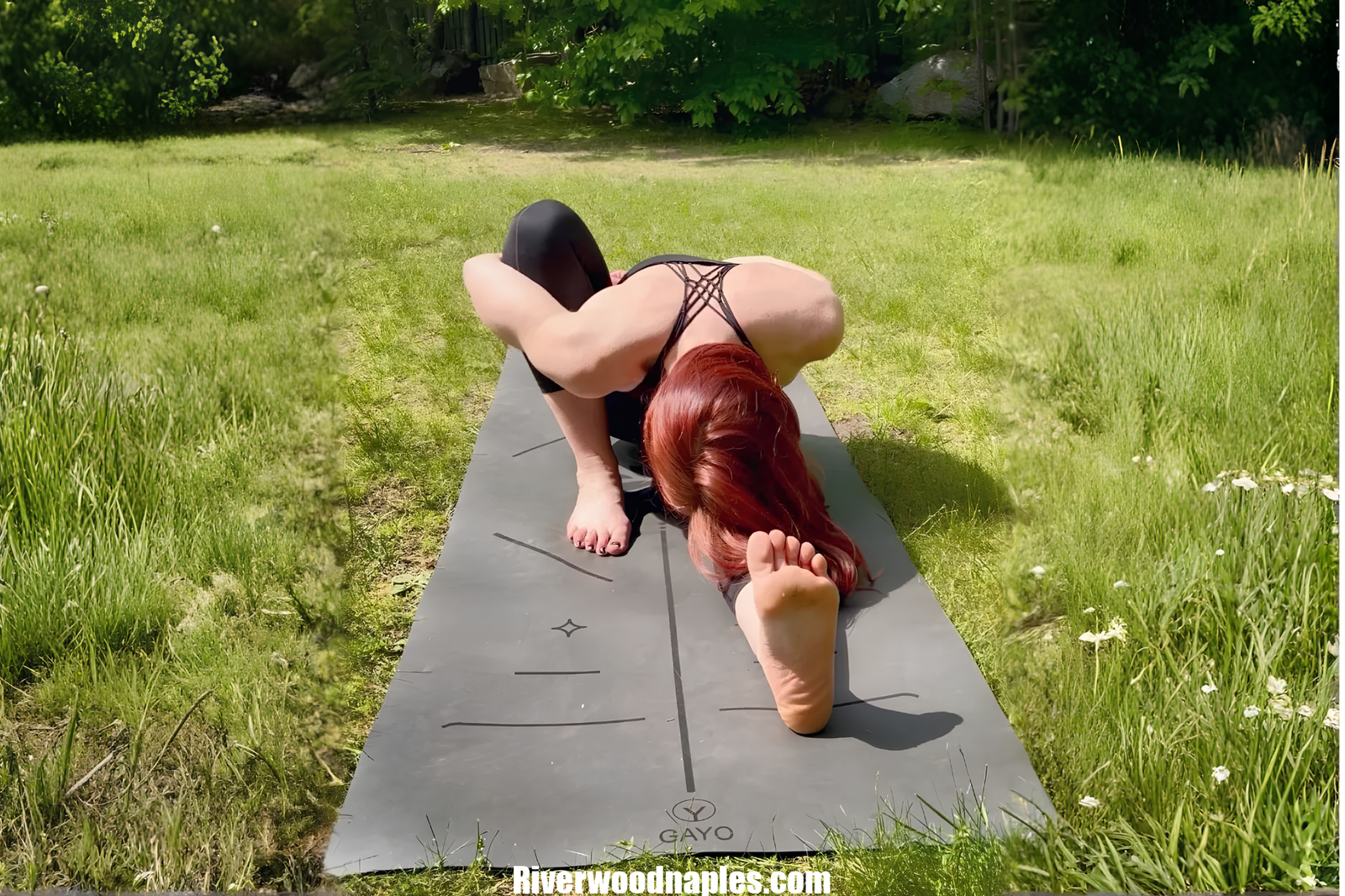
Here’s something nobody tells you before you start practicing regularly: the mat matters more than you’d think. I’ve watched people blame their knees, their flexibility, even their “bad days” on the studio floor, when really the problem was underneath them the whole time. At that point, people start searching for the best 5mm yoga mat, not because it is in trend, but rather because their old mat is not working properly.
So what actually makes a 5mm mat good, versus one that’s just labeled that way? And when is a cotton mat preferable to a rubber or foam mat? Now, let us get started.
Why the Best 5mm Yoga Mat Tends to Work for Most People
Mats come in various forms and designs, and they can be either very lightweight and portable, fitting in your bag, or very heavy and comfortable, better for sleeping than for yoga. It may be tough on the knees, but the thin ones help you connect better with the earth.
Five millimeters is a compromise between cushioning and stiffness. Soft enough that kneeling is comfortable, and stiff enough that the postures still feel stable. This is why so many instructors automatically suggest the best 5mm yoga mat without being questioned, even though it is not a rule of thumb.
A Quick Look at Thickness Options
If you’re comparing thicknesses side by side, it usually breaks down something like this:
- 2–3mm mats travel well and grip fine in hot yoga, but your knees will let you know if you spend too long on hard floors.
- Hardwood or tile still shows through, but 4mm mats provide a bit more flexibility.
- That balance is achieved with 5mm mats, which are cushioned yet stable.
- Mats over 6mm feel soft, almost too soft, once you’re balancing on one foot.
Two mats can carry the exact same “5mm” label and still feel nothing alike once you’re actually on them. The label tells you the thickness. It doesn’t tell you the quality.
Grip Is Where Cheap Mats Fall Apart
I’ve had foam mats that gripped beautifully out of the box and turned into ice rinks after three sweaty sessions. Natural rubber and denser foam retain their texture for much longer. That matters most in fast transitions or long holds, where a slipping palm can throw off an entire flow.
Durability Isn’t Just Marketing Talk
Even if a mat appears great, it will no longer protect your joints if it flattens after a few weeks. The mat feels about the same after six months as it did on the first day because denser material resists that type of compression. Yes, it costs more upfront. It also means you’re not buying a replacement every season.
When an organic cotton yoga mat Might Actually Be the Better Pick
Foam and rubber do not suit everybody, which is fine. An organic cotton mat avoids chemical coatings; it is hand-made, highly breathable, and feels really solid for practices like yin yoga and meditation. If you practice in a meditative fashion and don’t sweat, then the natural fabric suits you perfectly.
It packs down small, too, which is nice if you’re practicing in different rooms or taking it with you. The tradeoff is grip. During a fast-paced vinyasa class, an organic cotton yoga mat won’t hold your palms as well as rubber does, so it’s better suited to calmer sessions.
So, Which One Should You Choose?
Select an Ideal Yoga Mat that is 5mm in thickness for regular workouts and strength exercises. In case you want to do some stretching exercises, use a cotton yoga mat.
You can purchase both at Gayo, but it depends on your practice type. Always test the stitching and grip of a yoga mat before buying it.
A Few Things That Keep a Best 5mm Yoga Mat Lasting Longer
Even though none of this is challenging, it has a big effect:
- Let cotton mats dry completely before rolling them; otherwise, mildew creeps in.
- Keep mats out of direct sun for long periods; it breaks the material down faster than you’d expect.
- Store them flat, or loosely rolled, not folded tightly into a corner.
Little habits can make the difference between a mat that lasts three months and one that lasts a year.
FAQs
Can beginners use a 5mm yoga mat?
Generally, yes. It’s forgiving enough on the joints while still holding steady in standing poses, making it an easy starting point if you’re new.
Does thicker always mean better quality?
No. Thickness is about comfort, not quality. Grip and material density determine how a mat performs and how long it lasts.
Can I use an organic cotton yoga mat for hot yoga?
Not really recommended. Cotton soaks up sweat rather than resisting it, so it can get slippery fast. Rubber or foam handles heat and moisture much better.
Conclusion
Since it depends on your body movements, there cannot be an optimal one determined. Nevertheless, five millimeters is considered the best thickness for most people, as it offers stability and comfort. This principle applies regardless of whether the mat you use is made of cotton or rubber; focus on your practice.