Byadi: Sweet Honey Fig from the Middle East
Byadi fig is one of the most fascinating fig varieties cultivated in the Middle East, particularly in regions like Lebanon and Syria. Known for its large size, honey-like sweetness, and high productivity, it has gained attention among gardeners, chefs, and fruit enthusiasts alike. Its natural beauty, delicate flavor, and culinary versatility make it more than just a fruit—it is a symbol of Middle Eastern agricultural excellence and an inspiration for modern culinary applications.
Figs have held cultural and dietary importance for thousands of years. From ancient civilizations to modern kitchens, figs have been prized for their sweetness, nutrient content, and adaptability. Among the numerous fig varieties, Byadi stands out not only for its taste and productivity but also for its appealing appearance and ease of cultivation.
Appearance of Byadi Fig
The appearance of figs is one of its most distinguishing features. Its visual appeal is a major factor in both consumer attraction and culinary presentation.
Skin Characteristics
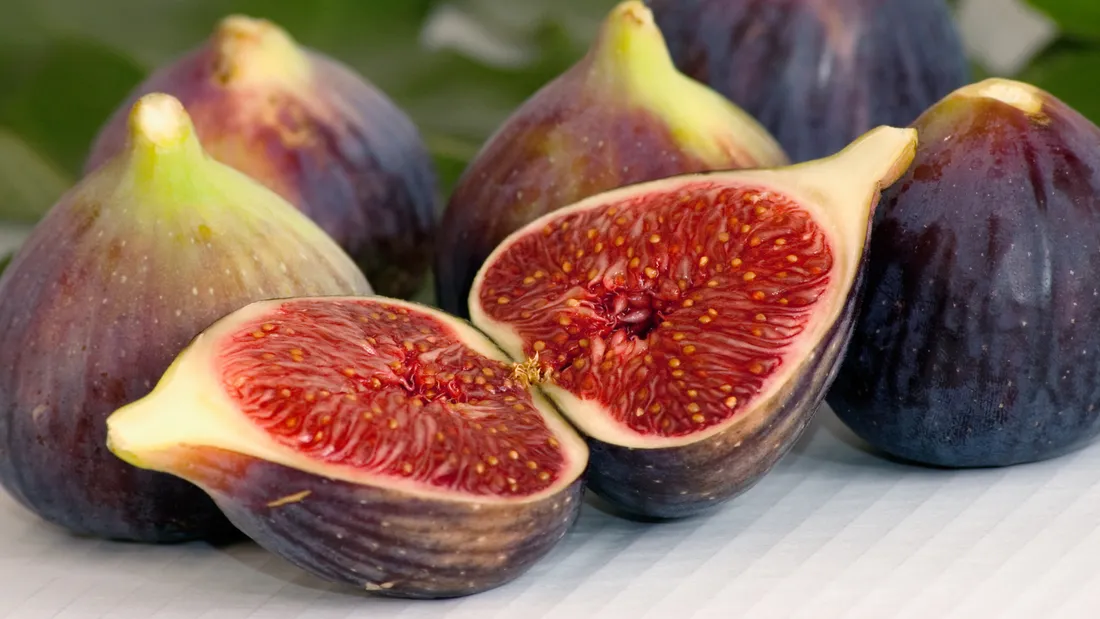
The fig’s skin is a light yellow to green, creating a fresh and inviting look. The color is not only aesthetically pleasing but also indicates ripeness and quality. Light green-to-yellow skin gives the fruit a sun-kissed appearance, making it stand out among other darker fig varieties, such as the Black Mission or Kadota figs.
- Texture of the skin: Smooth, slightly glossy, and thin enough to bite through easily.
- Significance for marketing: The attractive skin color enhances its appeal in markets, making it visually enticing to consumers.
Byadi figs’ skin provides a natural cue for determining readiness. Ripe figs typically have a slight softness when gently pressed and a subtle sweet aroma, indicating that the fruit is ready for consumption.
Pulp Color and Interior of Byadi
Inside, the fig reveals a rich amber or honey-colored pulp. This warm, golden interior contrasts beautifully with the lighter exterior, offering both visual and sensory appeal.
- Visual appeal: The amber pulp makes the fruit photogenic, suitable for culinary photography and presentations.
- Flavor indicator: The deep golden color reflects its high sugar content and delicate honey-like sweetness.
- Nutritional perspective: The pulp contains natural sugars, dietary fiber, antioxidants, and essential vitamins, contributing to both taste and health benefits.
This unique combination of outer and inner colors makes Byadi figs highly desirable for fresh eating, desserts, and gourmet preparations.
Fruit Size and Shape
Figs are typically larger than many common fig varieties, often plump and slightly oval or teardrop-shaped.
- Size advantage: Larger figs are more satisfying for direct consumption and provide better yield per fruit.
- Shape benefits: The plump, slightly oval shape enhances handling, packing, and display for markets and home use.
- Culinary relevance: Larger figs are ideal for stuffing, baking, or using in fruit platters where presentation matters.
Compared to smaller fig varieties, it offers greater visual impact and culinary flexibility, making it popular among chefs and gardeners alike.
Visual Appeal in Culinary and Market Settings
The visual characteristics of Byadi figs make them perfect for both fresh consumption and decorative culinary use:
- In fruit platters, their contrasting skin and pulp create a striking presentation.
- In desserts, they add elegance and a natural color accent.
- For market sales, their size and visual appeal make them highly attractive to customers, often increasing perceived value.
Overall, figs’ appearance is not just about aesthetics—it plays a crucial role in marketability, culinary versatility, and consumer enjoyment.
Texture of Byadi Fig
Texture is a key factor in the fig-eating experience. Byadi excels in this category, offering a soft, juicy, and succulent mouthfeel that complements its sweet flavor.
Flesh Consistency
The flesh of Byadi figs is remarkably smooth and soft, making it easy to bite into. Unlike some fibrous or dense fig varieties, its flesh melts in the mouth:
- Provides a pleasant, silky texture for direct consumption.
- Allows the fruit to blend seamlessly in desserts, jams, or sauces.
- Enhances the sensory experience when paired with cheeses, nuts, or baked goods.
Sweetness Profile of Byadi
Figs are celebrated for their honey-like sweetness, which is delicate and well-balanced.
- Natural sugars: Concentrated in the pulp, making the fruit taste sweet even when freshly harvested.
- Flavor complexity: Offers subtle floral undertones alongside rich honey notes.
- Use in culinary applications: The sweetness makes it ideal for jams, preserves, pastries, and beverages without the need for additional sugar.
This combination of texture and sweetness is one of the main reasons Byadi figs are highly prized in both traditional Middle Eastern cuisine and modern culinary arts.
Culinary Versatility
Byadi figs’ texture and flavor allow for a wide range of uses:
- Fresh eating: As a snack or in fruit salads.
- Cooking: Used in tarts, baked goods, sauces, and glazes.
- Preserving: Ideal for jams, compotes, and dried figs for longer storage.
- Pairing: Combines well with cheese, nuts, chocolate, and wine in gourmet dishes.
The smooth, succulent texture enhances both mouthfeel and presentation, making Byadi figs adaptable to multiple culinary styles and preferences.
Sensory Appeal
Beyond taste and texture, figs offer aromatic and visual sensory enjoyment:
- Sweet fragrance adds to the overall eating experience.
- Juicy flesh provides an immediate sense of freshness.
- Amber-colored pulp creates visual anticipation of flavor, making the fruit more appealing to consumers and chefs alike.
Growth Patterns of Byadi Fig
The growth characteristics of figs contribute significantly to their popularity among both hobbyist gardeners and commercial growers.
High Productivity
It is known for high yields:
- Produces abundant fruits each season, making it a reliable choice for gardeners.
- Early and late-season harvests allow for extended consumption.
- Suitable for commercial growers who need consistent and predictable output.
Self-Fertility
Byadi figs are self-fertile, meaning they do not require cross-pollination:
- Simplifies planting and maintenance.
- Ensures fruit production even in isolated gardens.
- Ideal for container growers or urban gardeners with limited space.
Self-fertility makes Byadi accessible for anyone, from beginners to professional cultivators.
Adaptability
This fig variety is highly adaptable to various growing conditions:
- Can thrive in garden beds, backyard orchards, or containers.
- Tolerates diverse soil types, provided there is good drainage.
- Responds well to both sun and partial shade, though full sun enhances fruit quality.
Adaptability ensures that it can be grown in urban, suburban, and rural settings with minimal adjustments.
Reliable Yield of Byadi
It provides a consistent harvest, making it attractive for both home and commercial production:
- Regular fruiting ensures availability throughout the season.
- Predictable output allows for planning culinary use or market sales.
- Enhances gardener confidence in cultivating figs successfully.
Accessibility for Growers
The combination of high productivity, self-fertility, and adaptability makes Byadi ideal for a wide range of growers:
- Hobbyists: Easy to manage, visually appealing, and rewarding.
- Commercial growers: Reliable yields, marketable fruit size, and versatility for culinary applications.
- Urban gardeners: Container-friendly growth and compact tree size.
Its growth characteristics provide both convenience and reward, ensuring its continued popularity worldwide.
Cultivation and Care Tips for Byadi
Growing figs successfully requires attention to soil, sunlight, water, and pruning. Here are practical tips:
Soil and Sunlight Requirements
- Prefers well-draining, nutrient-rich soil.
- Full sun exposure improves fruit quality and sweetness.
- Partial shade is acceptable but may reduce fruit size and sugar concentration.
Watering and Fertilization of Byadi
- Regular watering is essential during dry periods, especially for young trees.
- Balanced fertilization enhances fruit size, sweetness, and overall plant health.
- Avoid overwatering, which can lead to root rot or reduced fruit quality.
Container vs. Ground Planting
- Container planting: Ideal for patios, balconies, or urban spaces. Allows soil control and relocation during harsh weather.
- Ground planting: Supports larger yields and longer-lived trees. Suitable for orchards and large gardens.
Pruning and Maintenance of Byadi
- Seasonal pruning encourages proper shape, airflow, and fruit production.
- Remove dead or overcrowded branches to prevent disease and improve sunlight penetration.
- Minimal maintenance is required compared to other fruit trees.
Pest and Disease Management
- Byadi figs are relatively pest-resistant, but common threats include aphids, nematodes, and fig mosaic disease.
- Organic and conventional control methods can be used to maintain tree health.
- Healthy cultivation practices reduce the risk of infestations and disease.
Culinary and Commercial Uses
Byadi figs are not just beautiful—they are highly versatile in culinary and commercial contexts:
- Fresh consumption: Perfect snack, addition to salads, or fruit platters.
- Cooking: Used in desserts, sauces, tarts, and glazes.
- Preserving: Ideal for jams, preserves, and drying for longer storage.
- Market potential: High-quality figs attract premium pricing in gourmet stores, farmers’ markets, and exports.
- Pairing ideas: Cheese boards, baked goods, wine tastings, and Middle Eastern dishes.
The combination of appearance, flavor, and texture makes Byadi figs a top choice for both home cooks and professional chefs.
Conclusion
The fig is a remarkable fruit that combines natural beauty, exceptional texture, and reliable growth. Its light yellow to green skin, amber pulp, and plump shape make it visually appealing, while its honey-like sweetness and juicy flesh create an extraordinary culinary experience.
Growth traits such as high productivity, self-fertility, and adaptability make it accessible to a wide range of growers—from hobbyists to commercial producers. Its versatility extends from fresh consumption to cooking, preserving, and marketing, making it a truly multi-purpose fig variety.
Byadi figs exemplify the intersection of agricultural excellence, culinary delight, and practical cultivation, securing their position as one of the most valuable fig varieties worldwide.
For anyone interested in gardening, cooking, or commercial fig cultivation, the fig offers a combination of beauty, flavor, and reliability that few other varieties can match. Its rich history and modern adaptability ensure that it will remain a cherished fruit for generations to come.


